Jinal Mehta - Unified Sports

Jinal Mehta

Coaching youth

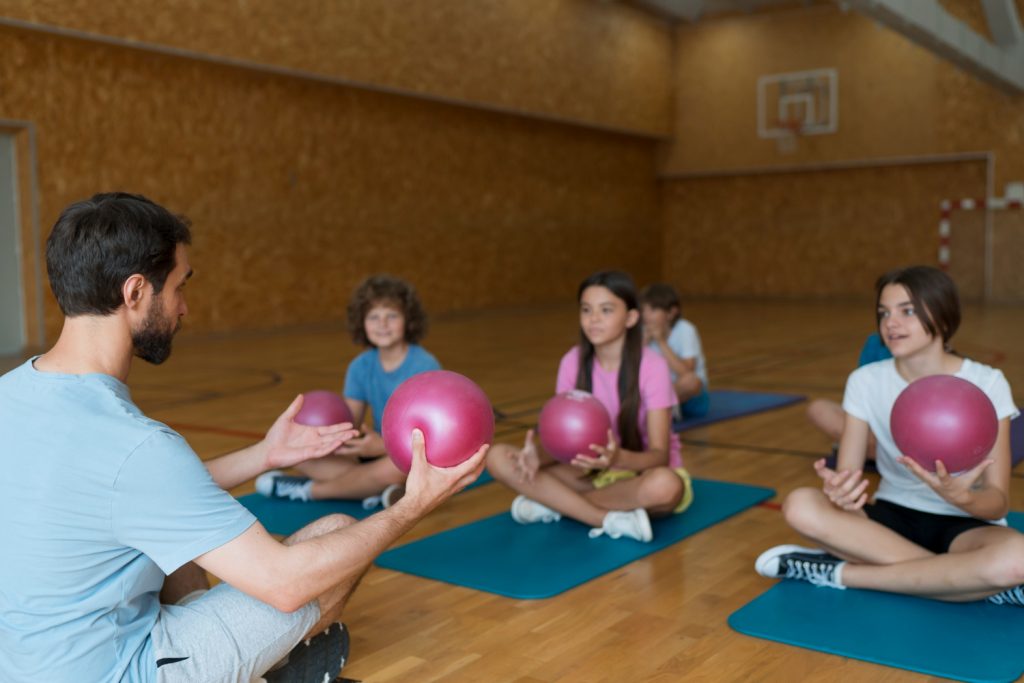
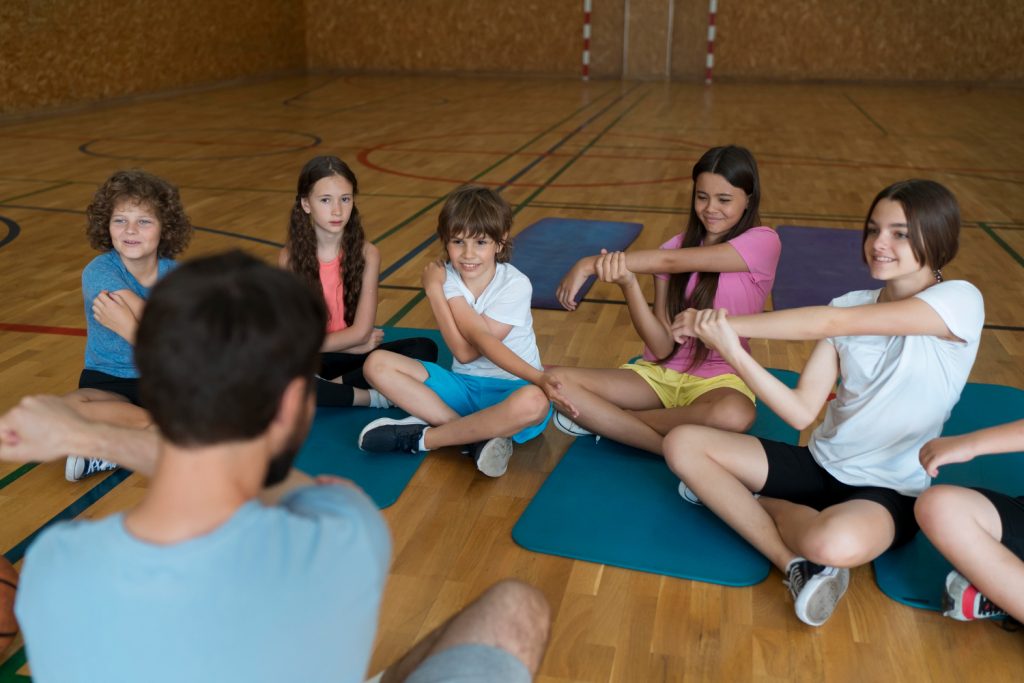
Coaching youth sports is a transforming and extremely gratifying job that allows you to influence the lives of the next generation of athletes. As a coach, you not only teach vital sports skills but also important life principles such as teamwork, discipline, and resilience. Your impact can extend well beyond the playing field and leave a lasting imprint on their lives. Having fun is a great way to keep your young players engaged in the game, promote participation, and maintain their attention. 

It motivates kids to improve their skills, learn new ones, and play more. Of course, if something is dull, you would pay less attention to it. Consider a boring movie you saw or a monotonous sporting event. Exactly! You lose focus and wander off, ticking down the minutes till the torcher ends. Consider your young athletes practicing or playing the game. If it’s not fun, they quit.  

Coaching is more than just teaching the rules of the game; it also involves nurturing young minds and hearts. It’s a profession that needs patience, empathy, and the ability to foster an environment in which athletes will not only improve their skills but also pick up valuable life lessons. You are more than a teacher as a coach; you are a mentor, a role model, and sometimes even a buddy. The different physical and psychological needs of children, adolescents, and adults require a readjustment in how you approach your coaching session.

In this post, you’ll learn about
Understanding your players
Be creative with your approach
Keep your cool at all times
Inspire them

If you’re starting out as a new coach, these tips are here to make things easier for you and help as you begin your journey or get better at what you do:

Coaching tips

Understanding your players:

Every athlete has their own learning style. As a coach, you must understand what motivates them and figure out the most effective techniques for coaching and enhancing their skills. The initial hook is fun; once they’re engaged, you can lead their skill development by introducing interesting drills for both practice sessions and at home.

Allow 15 minutes before each practice for athletes to work on their particular weaknesses and areas for improvement. The aim is to make this enjoyable for them. Understanding their strengths, limits, abilities, and needs allows you to personalize your coaching to their specific needs, thereby improving their skills and capacities. It is critical to fine-tune and customize your coaching technique based on each individual.

Be creative with your approach:

Kids will readily do things if they are appealing, fascinating, and exciting to them! Because their attention span is short they are likely to get bored quickly. Use different ways to make learning a fun process, something they look forward to every day! That is why it has always been said, don’t take the fun out of the sport no matter what age you are, even for paid professionals. 

It’s not just about teaching the fundamentals of a sport; it’s about igniting their passion and fostering a lifelong love for physical activity. Fun is the magic ingredient that keeps young athletes excited, engaged, and eager to come back for more. They are more likely to keep playing with the game in the long run if they associate it with enjoyment and friendships. Being consistent matters for their continuing physical and mental growth, allowing them to live healthier, more active lives.

Incorporate games, challenge them, help them work in teams, share your stories, and make it interactive. It should not feel like ‘coaching’ but a learning experience they voluntarily wish to attend. Think of your childhood and how you wished to be coached/taught and use that as a sounding board to plan your lessons. 
Coaching tips

Keep your cool at all times: 

While working with children it is easy to lose your cool and composure especially when you are teaching them something. Understanding them and being patient is important to make them comfortable and enjoy the process of learning. They should be at ease to ask you questions repeatedly and not fear your anger or frustration. Screaming at your athletes creates fear in them. That will reduce both their ability and willingness to play well in the future. Nothing will ever be perfect.

It is also necessary to be patient when talking with parents. Open communication between coaches and parents can help avoid parent-coach conflicts, which also helps to establish a secure learning environment. If you establish the rules and expectations, as well as your philosophy, everyone involved will be kept informed and at peace. 

When coaches have a patient mindset, it becomes easier to see that mistakes will ultimately lead to better performance.

Inspire them :   

Share your journey with them, talk and inspire them with different anecdotes of your career. Inspiring kids and giving them something to look forward to is a wonderful way to motivate them.

For starters, coaches serve as role models, encouraging children to give their all and push their limits. This kind of encouragement can lead to better performance, more self-confidence, and a lifelong love of sports. Beyond the game, inspirational coaching teaches vital life qualities such as teamwork, leadership, and resilience. Coaches who inspire children also encourage excellent qualities such as discipline, sportsmanship, and respect, which help youngsters build their character. 

To help cultivate a healthy attitude toward sports and competition in young athletes, keep the following guidelines in mind:

  • Don’t forget that all of the wonderful lessons about life, courage, teamwork, and maturity that you believe sports may teach your child can also be learned by becoming a member of the school band, theatre club, or student council. 
  • Sports are not for everyone.
  • Don’t be spectators at a child’s game.
  • Don’t try to recreate your athletic life through your young athlete in an unhealthy manner. 
  • Don’t forget that as children grow older, their priorities can and will shift.
  • Don’t forget that regardless of how tall, big, fast, or even how skilled your child gets in sports, they are still just a kid and deserve to behave like one.
Coaching tips

Today’s emerging sports stars serve as a living barometer, reflecting the triumphs of their coaches, schools, and athletic programs. In an era where success is often quantified, these young athletes become the tangible proof of dedication and hard work. The mindset prevalent among schools, coaches, parents, and even the athletes themselves echoes the adage, ‘We only value what we can measure.’ Among the myriad opinions, some experts contend that an overwhelming majority of parents are inclined toward this perspective. But when the young athletes of these same parents are interviewed, their views tend to be overwhelmingly the opposite; most of these young athletes would rather play on a losing team than sit on the bench of a winning team!

We hope these tips can be helpful to you, some of these can also be used by parents and mentors to help kids/young athletes get better at something new. Now is the time to get them involved in sports, get in touch with us to know more about them!

Contact us for more information! 

You can call us at +91- 9311593910, +91-8085094046

Or email us at help@unifiedsports.in

Visit us at 209, C9, 2nd floor, Pearls Best Heights -2, NSP, Pitampura, Delhi

academics pressure

As fulfilling as playing a sport you love is, balancing your academics, relationships, and social life is not an easy feat. Apart from training for hours, improving your physique, eating well, and recovering from all this, you also need to focus on your studies while you are a student! And as far as things parents worry about, this would be on top of their list! Right parents?

Having an academically inclined child is often a source of pride for both parents and schools, but the same cannot always be said for those who are sports-oriented. There is a prevalent misconception that a strong focus on sports may hinder a child’s commitment to academics. Some believe that dedicating too much time to sports can lead to lower grades and should be discouraged. It’s essential to acknowledge the challenges faced by student-athletes in balancing school and sports and to explore effective strategies for managing this demanding dual role.

College students are faced with an array of stressors, including ademic, social, and financial commitments. For collegiate athletes, the demands are even more extensive, as they must allocate a significant amount of their time to enhancing their athletic skills in addition to managing these typical college pressures.

academics pressure

High-achieving students who are also high-performing athletes find themselves in a unique and challenging position. The realms of academics and athletics are demanding and fiercely competitive individually, and these student-athletes strive for excellence in both arenas. In the midst of a whirlwind of practices, games, exams, and study sessions, the mental health of these high-performing athletes and high-achieving students can often take a backseat. Neglecting this critical aspect of overall well-being can lead to overwhelming stress, burnout, and enduring mental health issues. 

This increased vulnerability is primarily attributed to the constant pressure they face. Unfortunately, these challenges can frequently escape notice or be underestimated for the same reason: student-athletes are deeply engrossed in their numerous responsibilities. As long as they appear to be successfully managing the dual demands of academics and sports, changes in their emotional well-being may be disregarded or overlooked by those around them. Balancing these two worlds can be both thrilling and overwhelming. Successfully managing school and sports requires a significant commitment, a complex juggling act involving time, energy, and responsibilities.

We understand the importance of balance and the need to handle both aspects of your life, so we are here to help you out! Here are some tips to help you out:

  1. Time management: One of the most essential skills we need to have is how and where we spend the most time. When doing activities, we don’t need to invest time in or pass time on unnecessary things like watching Netflix, playing video games, etc. It is important that you create a schedule and routine that you enjoy and that are not hard on yourself. Following a daily timetable will ensure there is adequate time for both studies and sports/practice. Without a well-planned plan of action, the academic-athlete juggling act can swiftly deteriorate into a high-wire act without a net. Last-minute studying, rushed assignments, and restless nights become typical. But effective time management? It keeps stress at bay, turning that tightrope walk into a well-rehearsed performance. Then there’s the allure of enhanced performance. When kids are able to focus on their schoolwork and athletics with a clear, collected mind, the outcomes frequently speak for themselves. Their academic performance increases, and their athletic skills improve.
  1. Prioritize: Making some difficult decisions can be necessary to balance the demanding requirements of both athletics and education. Those unplanned get-togethers or hangouts with friends have become less common. Setting priorities becomes crucial when you need to juggle multiple responsibilities. This emphasizes the value of time management and organization, but it does not mean you have to completely give up on having fun and interacting with others. The more organized you are, the more free time you will have on your hands to enjoy whatever you want!

Evaluate what is important to you, prioritize them in order of importance, urgency, and need, and see how you can improve yourself while doing these tasks. 

With a full plate, it’s helpful to change your mindset from waiting for a long period of time before beginning a task to addressing studies and sports in bite-sized portions. Instead of waiting for a two-hour block of time to begin studying, consider performing 15-minute pop quizzes while driving from training to school.

  1. Take time off: While sports and academics are both important, make time for other things as well. Pursue hobbies you enjoy; it can be as simple as going walking, reading, dancing, etc. When you make time for things that help you relax and rejuvenate, your performance is likely to improve both on and off the field. Plan a relaxing day of self-care, hang out with your friends, or agree to the trip your family has been planning for months.

While on your time off, do not worry about your performance or academics; learn to stay in the moment so you are able to reset and start again. Student-athletes frequently feel bad about taking time off. You may feel obligated to be productive at all hours of the day. As kids, we often heard the importance of managing time effectively so we could both play and study. The same applies when we grow up. Once we learn to effectively segregate and compartmentalize our time, it gets easier to juggle multiple things at once. 

academics pressure

Indeed, these suggestions are the foundation of success, and they yield fruit when adopted with unwavering commitment and consistent work. Establishing a strong support system is critical since it not only helps you stick to your plan but also gives you the incentive you need to stay on track. Your inner circle has a significant influence over your routines and achievements, so make it count. Surround yourself with people who share your goals and motivate you to be the best version of yourself. 

Contact us for more information! 

You can call us at +91- 9311593910, +91-8085094046

Or email us at help@unifiedsports.in

Visit us at 209, C9, 2nd floor, Pearls Best Heights -2, NSP, Pitampura, Delhi

Sports betting

As fun and exciting sports are, aspects like betting and gambling are the not-so-good facets of it! Today, everyone likes to make some quick money and what better way than to do it off something you enjoy watching? However, betting/gambling are things one can get addicted to very quickly and for a long time. Sports betting is like a wild ride of feelings, and the chances of winning can be just as surprising as your favorite team’s unexpected win. It’s a world where some people can get very rich, but sometimes, a bet depends on the luck of the game. 

Once you go down that road it’s difficult to come back up or realize your wrongs quickly! betting isn’t new; it’s been around for ages. Even ancient Romans bet on gladiator matches, a kind of “Fantasy Colosseum” of their time. Today, the global betting market is enormous, worth about $150 billion. But here’s the twist: while the temptation to strike it rich is strong, the risks are high too. In the United States, where sports betting is growing fast, about 6% of adults have a gambling problem, and that number is going up. 

Gambling has the potential to be a social activity that draws people together. It allows you to connect with friends and family, share experiences, and enjoy each other’s company. Friendly bets or game nights can build long-lasting memories and establish relationships. 

Poker and sports betting are two examples of gambling which call for skill and strategy. Gambling can be a means for those who are aware and skilled in these areas to intellectually challenge themselves and test their abilities. It’s not just a game of chance, but also a game of skill in which decision-making and strategy are important.

There has been a noticeable increase in the proliferation of online betting programs over the last half-decade, with renowned companies such as DraftKings, FanDuel, and Caesars leading the way. These apps have effectively substituted illicit betting venues while also attracting a new wave of inexperienced gamblers who previously had no exposure to casinos or the traditional bookie betting experience.

betting

It’s estimated that the underground sports betting market in India is worth billions of dollars each year. In response to this growing trend, some states have taken a proactive approach to regulate and tax betting, offering both economic benefits and safeguards for consumers. One notable example- Sikkim legalized online sports betting and introduced the Sikkim Online Gaming (Regulation) Act in 2008.

Super Bowl fans brace themselves for an advertising extravaganza, anticipating a flood of creativity that merges celebrity charm and athletic prowess, all strategically designed to lure in fresh registrations and carve out a bigger slice of the market. DraftKings plans to dazzle the screens with the comedic duo of Kevin Hart and David Ortiz, while FanDuel promises an adrenaline-pumping moment as Rob Gronkowski takes a live shot at a field goal kick in their commercial, adding an unexpected twist to the game-day excitement.

In this blog, we’re here to help you explore the exciting world of sports betting. It’s a place where taking risks and getting rewards can be a bit tricky, and we’ll talk about how to do it responsibly.

To make gambling worthwhile, be responsible. Set strict limits for how much money and time you’ll use, and stick to them. Think of gambling as fun, not a way to make money. Don’t try to win back what you’ve lost, and know when to stop.

Here are three quick ways you can practice responsible betting and enjoy the activity rather than getting addicted, losing money, and regretting your decisions!

Sports betting
  1. Bet with Licensed and Reputable Operators: Choose to bet with licensed and regulated betting operators. This helps ensure that your transactions and personal information are secure and that you’re participating in a fair and accountable betting environment.
  1. Learn to Recognize Signs of Problem Gambling: Be aware of the signs of problem gambling, such as chasing losses, neglecting responsibilities, or betting with money meant for essential expenses. If you or someone you know is showing these signs, seek help from organizations that specialize in problem gambling support. There is absolutely no harm in seeking help and being proactive about behaviors you wish to stop. 
  1. Take Breaks and Maintain Balance: It’s essential to take breaks and strike a balance in your betting activities. Don’t let it consume too much of your time or financial resources. Engage in a variety of activities and hobbies to ensure a well-rounded and balanced lifestyle. Everything in moderation is healthy, isn’t it? 

Whether gambling is a good idea depends on the person. Remember, gambling has risks, and for some, it can lead to problems. But if you do it carefully, knowing the risks and treating it as entertainment, it can be enjoyable, social, and sometimes thrilling. Just don’t gamble more than you can afford to lose.

The legal status differs from state to state, and navigating the complexities of  betting in India can be tricky. While some states have accepted and regulated betting, others have outright prohibited it. To put it simply, while the appeal of sports betting in India is undeniable, it is critical to proceed with caution and responsibility. The country’s legal landscape can be complicated, and the risks linked with gambling are ever-present. Without sufficient attention and adherence to betting methods, It can lead to financial difficulties, addiction, and severe repercussions. Individuals, whether sports fans or not, must appreciate the necessity of setting limits, being educated about the games, and maintaining self-control.

Contact us for more information! 

You can call us at +91- 9311593910, +91-8085094046

Or email us at help@unifiedsports.in

Visit us at 209, C9, 2nd floor, Pearls Best Heights -2, NSP, Pitampura, Delhi

mental health

Ever heard of the statement “mens sana in corpore sano”? It means a healthy mind in a healthy body in Latin! 

Now remember when we were young and wanted to do nothing but play, remain out of our house, and as far away as possible from books? Well, now do you remember how happy and relaxed we used to be then? All that jumping around, running and exercise helped us release endorphins or happy hormones, and probably why we were happy all day!  

In an age where the demands of modern life can sometimes feel overwhelming, the importance of nurturing our mental well-being has never been more apparent. Sports aren’t just about competition and physical fitness ; they can be powerful tools for nurturing your mental health. Beyond the physicality of the games we play and the sports we follow, there exists a profound connection between our bodies and minds. This link transcends the simple notion of staying fit, extending its reach into the overall quality of life. 

Whether you’re a seasoned athlete or simply looking to incorporate more movement into your daily routine, the benefits of engaging in sports activities reach far beyond the realm of physical health.

Mental health is as important, perhaps a little more than your physical health! In an age where the demands of modern life can sometimes feel overwhelming, the importance of nurturing our mental well-being has never been more apparent.

mental health

Numerous studies provide compelling evidence that engaging in physical activity can deeply and positively affect one’s mental well-being. Participation in physical activities has the potential to enhance mood, make you feel calmer, reduce the risk of experiencing depression and anxiety, and promote a more balanced and improved lifestyle. 

Here are three ways sports/exercise can help you apart from some physical changes:

  • Lowers anxiety and stress: One of the best ways to unwind is working out! Expending all your physical energy to something and directing your stress in that zone helps you calm down. Your focus shifts to something positive and that helps with your energy levels. Studies have shown that 20 to 30 minutes of exercise each day can make people feel calmer. This calmness continues several hours after exercise.
  • Increases self-esteem: When you enjoy doing something, and see a significant change in yourself both mentally and physically it helps boost your self-confidence/esteem. For eg- If you are working out to lose weight, you will likely start feeling better about yourself once you see some signs of change. This in turn will help your self-esteem! Maybe you learn to play a sport you have always wanted to, and that also is a major confidence booster.
  • Improves your mood: The benefits of exercise on your mood extend far beyond the immediate post-workout glow. Regular physical activity can lead to sustained improvements in emotional well-being, helping to combat stress, anxiety, and even symptoms of depression over time. So, it’s not just a quick fix, but a long-term investment in your mental health that pays dividends as you continue to make physical activity a part of your daily routine.

Sports demand focus, strategic thinking, and the capacity to stay present in the moment, which are all mental skills that are specific to sports. For instance, a split-second choice can mean the difference between a win and a loss in a fast-paced game like basketball. 

This continuous mental activity helps with cognitive function and provides a much-needed diversion from the stresses of everyday living. So, your mind is benefiting just as much as your body is, whether you’re completing a yoga posture, making a three-pointer, or sprinting a track.

Mental health

Picture this: You’ve had a long day, and you’re trying to shake off the stress and fatigue. You have two options – binge-watch your favorite TV show or go for a brisk walk. Now, which one do you think will leave you feeling more content, awake, and at peace? Researchers set out to answer this question by asking people to rate their moods after bouts of physical activity or periods of inactivity.

The results were crystal clear. The folks in the study reported feeling happier, more alert, and calmer after they’d been physically active compared to those moments of lounging around. The most intriguing part? The impact of exercise on mood was most significant when their mood was initially on the lower side. So, if you’re having a tough day, a little workout might just be the mood booster you need.

The type and intensity of exercise also matter. It turns out that low-intensity aerobic exercise wins the crown for lifting your spirits. Imagine taking a leisurely jog, doing some light yoga, or enjoying a casual bike ride. Studies found that dedicating 30 to 35 minutes, 3 to 5 days a week, for about 10 to 12 weeks to these kinds of activities can work wonders for your mood.

So what are some of the ways you can play sports or exercise regularly to help with your physical, emotional, and mental health ? Activities like dancing, yoga, walking, running, Zumba, cycling, playing sports like kho-kho, badminton, etc. are some great ways to get in some movement and have fun! 

Maybe challenge your friends to a friendly match or walk together in groups, a good company always makes things better! Set small goals and see a difference in your mental health, thinking, attitude, and how your day goes. You’ll feel light, have more energy, be productive, think clearly, etc. 

If you are wondering how to get your child to play sports, get them involved in one of our many fun sports camps, we are sure they will have the time of their lives! Get in touch with us at: 

Contact us for more information! 

You can call us at +91- 9311593910, +91-8085094046

Or email us at help@unifiedsports.in

Visit us at 209, C9, 2nd floor, Pearls Best Heights -2, NSP, Pitampura, Delhi

In this post, you’ll learn about

1. Camp Type

2. Coaches and facilities provided

3. Variety of sports offered

Sports camp

Finding the ideal summer camp for your child can be very difficult, especially if you are thinking of sleep-away residential camps or those that are abroad. To ensure your child has the best camp experience possible, making this decision requires considering a wide range of factors and completing in-depth research. It takes careful consideration of several aspects to strike a balance between their safety, enjoyment of an unforgettable trip, and overall well-being. After all, the main objective is to give children excellent treatment and the chance to make priceless memories.

Remember your childhood sports camp days? 

You would decide on a sport you want to go for, pick a date and time, and that’s it! You join the camp, and your parents pick you up at the end! It was that simple.

Today, selecting a camp has become much more of an intricate process! You need to match your likes and dislikes, timing, friends, safety measures, facilities offered, and more. Parents must now select whether they want a fun-based or intensive camp to find the best camp for their children and within their budget. They need to look into the backgrounds of the camp director and teachers, as well as the camp’s safety, features, and teacher-to-camper ratio.

Finding the perfect sports camp might be difficult given the wide range of possibilities available on a global scale. This blog is your compass for navigating the world of international sports camp, whether you’re a potential athlete looking to improve your abilities or a parent looking for the ideal experience for your child. 

Before you begin the process of choosing a summer camp for your children, you must first determine the primary factors driving your decision. There is no one-size-fits-all solution because each family has different reasons for enrolling their child in a camp. Defining these reasons is an essential step in starting your search. 

By focusing on your goals, you create a clear focal point while you look at different camp options. For example, if your major goal is to improve your child’s second language proficiency, your attention during the camp search should be on aspects that may influence language acquisition. If your goal is to provide them with focused football training, your attention should be put toward camp features that contribute to their success.

Sports camp

Let’s take a look at a few factors you can consider when choosing your camp:

1. Camp Type:

What is your purpose behind the camp? Are you looking for a camp that fills your child’s time? Or do you wish for them to learn a skill or two?

If having fun is the primary goal, there are multi-sport camps where kids can learn the fundamentals of a variety of sports without the strain of competitive games. This kind of camp can be found at many local parks and recreation departments.

Specialty skill camps let young athletes focus on certain parts of their sport, such as pitching, throwing, or swing mechanics. It focuses on technical skills aimed at clearing their basics. 

Some camps are similar to professional sports training camps, including drills and games meant to prepare athletes for competition. Squad camps are similar in that they are attended by the entire squad.

Residential camps, in addition to providing better training, allow youngsters to grow and flourish as individuals. Children are forced to leave their comfort zones and learn to deal with unpredictability in these programs. For example, most camps welcome overseas students. As a result, kids learn to converse in other languages and adapt to different people.

2. Coaches and Facilities provided:

It is critical to check the backgrounds of the camp director and instructors. You want a director who is organized, has good judgment, and has a proven track record of operating successful camps.

Look for instructors who are certified to teach children in specialized programs. Professional and collegiate coaches, as well as collegiate athletes, are common at higher-level camps.

At recreational camps, look for engaging instructors who can maintain their cool in the face of pandemonium. International camps bring in the most experienced, qualified, and highly trained coaches, who prove to be more helpful for the kids. In international camps, coaches often bring diverse coaching styles and global perspectives. This exposure broadens children’s horizons, enabling them to adapt to varying playstyles and cultural dynamics—a valuable asset in today’s interconnected sports world.

3. Variety of sports offered:

Sports and candy are two things children can never say no to! Our international camps offer a variety of sports to choose from around the world. There is Football, Basketball, Hockey, Swimming, Cricket, etc.  A diverse range of sports not only caters to different interests but also promotes cross-training, collaboration, and the exploration of new disciplines. 

Diverse sports options enhance cultural exchange and interaction. Participants from different countries can engage in sports they might not have encountered before, fostering a sense of camaraderie and breaking down cultural barriers through shared experiences.

While growing in the sport your child likes, they can also learn new sports and show their affinity for them. Moreover, the variety of sports encourages a multidisciplinary approach to training. Cross-training can lead to improved overall athleticism, a reduced risk of overuse injuries, and a broader understanding of movement mechanics.

There are factors like the dates of the camp that may be a problem for some, however, Unified Sports offers camps 365 days a year! This means you can customize your camp dates, location, sport, and group!

You can also add cultural experiences to enhance your time and camp experience there! It’s always so cool to learn about and experience different cultures while you are abroad! We offer multiple countries for you to choose from, from Australia, the USA, and Asia to Europe. We are sure there is a country right for your child! 

We have Specialized Camps, Multi-sports camps, Elite athlete training camps, and Cultural exchange camps for you to choose from based on your liking. Get in touch with us today to learn all about the camps we offer and get your Christmas or Diwali break sorted! 

Contact us for more information!

You can call us at +91- 9311593910, +91-8085094046

Or email us at help@unifiedsports.in

OUR location at 209, C9, 2nd floor, Pearls Best Heights -2, NSP, Pitampura, Delhi

Sports sponssorship

Sponsorship in sports has evolved in both scope and ability since it was first introduced many years ago. Securing sponsorships is of utmost importance for athletes, extending well beyond the realm of financial support. It not only provides a vital injection of funds that can cover training, equipment, and competition expenses, but it also bestows a seal of validation upon an athlete’s pursuit. 

The backing of a reputable brand or company not only enhances an athlete’s credibility but also opens doors to elevated exposure and visibility, enabling them to reach a wider audience. Moreover, sponsorships often foster a positive relationship where athletes become brand ambassadors, representing values that resonate with their own, while sponsors benefit from the athlete’s association and the positive image they convey.

Finding the perfect athlete sponsorship, however, is a difficult task.  There are undoubtedly many sponsorship opportunities, but this abundance frequently makes it difficult for athletes to find a partnership that precisely matches their goals. Despite the plethora of sponsors in the market, many sportsmen sadly find it difficult to achieve the recognition and significant success they deserve without doing their due diligence. 

In this post, you’ll learn about

  1. Decide the type of sponsorship you want
  2. Define your target audience and create a proposal
  3. Create an online presence
  4. Network smart
  5. Negotiating your contract

What is a sponsorship?

Sponsorship can be defined as a partnership between a company and a sports team or athlete to exchange access to new markets for financial support.

The size and cost of sponsorship deals can vary, ranging from small local partnerships to significant international sponsorships. For instance, if a sports company chooses to sponsor a local youth team in sports, the squad’s jerseys will feature the company’s logos or color schemes. In addition, it is planned that the brand will appear in promotional materials for games or other athletic events featuring them. Although there are numerous additional options for businesses to support athletes, these are generally some of the most popular ones.

In the end, finding sponsors shouldn’t be a rushed process. You must realize that companies invest in these contracts, which allows them to have high expectations for returns on investment.

Discussing the kind of arrangement you want is the first step in getting sponsored.

Sponsors

Let’s take a look at five ways you can find your first sponsor:

1. Decide the type of sponsorship you want:

Choosing a good sponsor might be difficult at times because there are so many factors to take into account. You must first research the many sponsorships that are available nowadays and decide which kind you want to pursue.

Title sponsorship, primary sponsorship, official sponsorship, official partnership, and technical partnership are the most typical agreements.

Going simpler and focusing on a certain niche makes more sense for many athlete sponsorship companies.  For instance, an official partner is typically a partner in a particular industry or niche. As an example, consider Visa as the official financial partner of a sports team.

Numerous sponsorships give players cash or cover a portion of their operating, travel, and training expenses. Consider the kind of sports team sponsorship you want right away. Keep in mind that businesses seek out sponsored athletes who can promote them in return. Before you start seeking sponsors, make sure you’re actively marketing your club or yourself.

 2. Define your target audience and create a proposal:

Knowing who your market is and coming up with a sponsorship proposal that outlines your value proposition is a key step before attempting to secure a sponsorship arrangement. Your proposal has to be adapted to the requirements of the sponsor and consistent with their brand messaging. Details about your sport, accomplishments, audience characteristics, and how you may help the sponsor achieve their marketing objectives can all be included in this.

Begin your search for sponsorship by considering companies already involved in your sport or those associated with similar sports boasting good fan bases. Explore possibilities with regional or specialized companies that could have expertise in sponsoring athletes in your specific locale. This targeted approach enhances the likelihood of finding sponsors whose interests align closely with your athletic pursuits.

Start cultivating relationships with possible sponsors once you’ve identified them. Join their social media channels, go to events that they support, and introduce yourself at industry events.  Be authentic and demonstrate an interest in the brand.

3. Create an online presence:

In today’s world, nothing is possible without having an online presence, i.e., Instagram, Twitter, Facebook, etc. Your fans need to be connected to you, and know what you are up to! The stronger your fanbase and online community, the higher your chance of getting good sponsorships. Since these are quite often deals where both parties need to benefit, giving the company or brand exposure in your community is something they may look at. 

Showcase your accomplishments, exercise regimen, and daily life on social media. Engage your audience by answering questions and making comments. Think about working together with other athletes, sharing sponsor content, or showing BTS of your training sessions. 

Many elite athletes have reported earning well over $1 million annually solely from sponsored content on platforms like Instagram, YouTube, and TikTok. This shift in revenue streams underscores the fact that an athlete’s online influence can be as impactful as their on-field performance.

Wouldn’t it be nice to have a steady flow of income even on your off days? 

 4. Network smart:

Remember how we heard, you are your best marketing team? Well, that is completely true when it comes to networking in the big leagues! You need to know whom to brush shoulders with and whom to smartly ignore. The best way to make connections would be to attend industry events, charity auctions, volunteer, etc. 

Personal connections can open doors and provide valuable insights into potential sponsorship opportunities. A lot of companies will judge your ability based on many factors, including your interpersonal skills, ability to communicate effectively, how well you sell yourself, etc.

Establishing trust and rapport with fellow athletes, coaches, and industry professionals can lead to recommendations, referrals, and introductions to potential sponsors. Additionally, your team’s network might include alumni who have transitioned into business roles and could be interested in supporting athletes.

5. Negotiating your contract:

 Once you have identified potential sponsors, built relationships, and created a social media presence, it’s time to negotiate the sponsorship deal. 

Negotiate the sponsorship agreement’s conditions, such as what the sponsor will give you and what you will offer. Be specific about what you expect from the agreement and make sure all parties stand to gain from it.

A complete understanding of issues like compensation, deliverables, deadlines, termination clauses, and conflict resolution procedures is necessary for successful negotiations. Maintaining a cooperative attitude promotes a productive environment, which increases the likelihood of reaching a good agreement as well as long-lasting partnerships based on mutual respect and collaboration.

In all that we covered today, having a strong team to negotiate contracts, and maintaining an online presence are of utmost importance. Your team should very well bring you only the best and most lucrative deals. And this is where Unified Sports comes in! Our team of experienced professionals, will handle your contracts and work to get you, your dream sponsors! 

Additionally, we also manage your social media accounts and create a powerful brand online that speaks for your work. Our Athlete Management service offers a lot more, and we promise you’ll find it valuable! Get in touch with us to learn more! 

Contact us for more information! 

You can call us at +91- 9311593910, +91-8085094046

Or email us at help@unifiedsports.in

OUR location at 209, C9, 2nd floor, Pearls Best Heights -2, NSP, Pitampura, Delhi

women protesting for inequality

A sad reality lies beneath the surface of the exhilarating world of sports, where performers test their limits and motivate millions. This reality is reflected in the stark pay gap between male and female athletes. On the field, court, and track, men and women demonstrate unmatched dedication, talent, and passion; nevertheless, the reward they receive from these stages tells a different story. 

We see and hear this news so often that many athletes have even voiced their opinions on it! Female athletes often receive over 50% less than male athletes do, and this is not restricted to any one sport!

According to Collins, equity is characterized as “the state of being just and reasonable, ensuring that all individuals are treated equally and fairly.” The best way to gauge equity is by looking at the contrasting compensation that men and women receive for performing similar tasks.

Most of the Athletes are involved with sponsorships and endorsements, but they don’t amount to the actual salaries they receive. Unequal pay is a serious issue as it discriminates between genders and is proof of bias in the country. 

Men may indeed have advantages in strength and speed, but sports involve more than just those things. For example, Women might be better at balance and flexibility, but this doesn’t mean that women in sports who need those skills are paid more than men. Are gymnasts or ice skaters paid more than men?! 

An example of this is the staggering pay gap between the highest-paid players in men’s and women’s cricket in India. The Board of Control for Cricket in India (BCCI) pays Smriti Mandhana 68.5 thousand US dollars per annum, which is 7% of Virat Kohli’s annual income of 952 thousand US dollars.

In another instance, the average salary for a male rugby union player in the English Premiership is around GBP150,000, while players with several international caps can earn up to GBP800,000 per annum. The clubs in the Premier 15s (the women’s equivalent of the English Premiership) are subject to a remuneration cap for the entire squad, meaning the clubs have a maximum of GBP190,000 to split between around 50 players.

Women and men are equal under the law, and women are also leaders, owners of Fortune 500 companies, and whatnot, they can do everything as well as men, however, in the sports field, they are often underpaid in front of men. Why so?

In professional tennis, there’s a difference in the number of sets played by men and women: men play five sets, while women play only three. This rule was made because people thought that women might not be as physically strong as men.

Even though women have shown they can play five sets and do well, those in charge (who were mostly men) believed that the games wouldn’t be as good if women played longer matches. But the quality of a game can drop for anyone, not just based on gender. So, using this as a reason to pay one gender more isn’t fair.

I suppose we have Billie Jean King, an iconic tennis player, to thank for initiating pay equality in the sport in 1973. Her efforts resulted in a change in the prize money for the US Open. Venus Williams, a tennis player, also advocated for equal prize money for female athletes in the most prestigious competitions.

 Wimbledon has paid both singles winners the same amount of prize money after 9 years of addressing the pay inequality. Since then, all four Grand Slam tournaments have offered equal prize money to male and female participants. Way to go, tennis! 

What can be done to solve this disparity?

female athlete runing

On the grassroots level, broadcasters and media can give equal TV time to both genders without bias. There are scenarios so often when a woman’s interview is cut short or not telecasted because there is a famous male player who shouldn’t be left waiting! The more the public sees women do brilliantly in every sport, the more they get motivated to see them! 

We root for people like us, don’t we? If every male child is inspired to be the next Virat Kohli, that is because they have had a chance to see them. They know Virat exists and plays this well, but what about little girls who play sports? Shouldn’t they have a chance to see Harmanpreet Kaur lead India, or Sakshi Malik win medals for the country? It’s time they see that women are as good as men are, and sometimes even better than them! 

Secondly, businesses should continue to invest in female sports teams and athletes through commercial partnerships and sponsorships, which will increase the visibility of female athletes. Everywhere we see today in ads and banners, it is mostly male athletes who are spread everywhere. Every major brand has either Virat Kohli, Rohit Sharma, MS Dhoni, or Suryakumar Yadav. Where do we see PV Sindhu, Mary Kom, and Saina Nehwal? 

There are many great examples where backing female athletes has resulted in a profit for the companies. EG- was the official sponsor of the FIFA Women’s World Cup in 2023 and launched the “Nothing is Impossible” campaign,

 which featured seven high-profile female athletes, including volleyballer Tifanny Abreu and basketball player Asma Elbadawi (who successfully challenged the International Basketball Federation in 2017 to lift their ban on religious headwear on the court). Making such high-profile partnerships with female athletes would only increase the exposure and profitability of women in sports in the future.

Finally, governing bodies should take notice and work together with male and female athletes to solve the pay gaps that exist in their sport. Taking inspiration from the recent event in Wales, when governing bodies encourage equality (especially when male athletes from the same sport support them), female athletes can be placed on a level playing field with their male counterparts, resulting in greater equity for female athletes.

As viewers, the only thing we can do is support them by watching them play, talking about them, and encouraging younger generations to look up to the best female athletes in the world! India has always been a land of opportunities, maybe it is time women saw that come true! 

Unified Sports has and will always support female athletes. We do our bit by organizing various sports camps for kids of both genders. Sport is for all, and we truly believe that! Get in touch with us today to enroll your child in our various sports camps, and international camps, or get their career in sports started! We cover all the bases and guarantee the result you want! Contact us at:

Contact us for more information! 

You can call us at +91- 9311593910, +91-8085094046

Or email us at help@unifiedsports.in

OUR location at 209, C9, 2nd floor, Pearls Best Heights -2, NSP, Pitampura, Delhi

sports job

The sports industry today is so huge and commercialized that everyone can find a place for themselves here. Based on your talents, likes, and skills, we are sure there is something for you! The industry has grown immensely and will undoubtedly continue to grow; the number of fans increases every day, and there is a demand to meet all these expectations. Of course, the athlete does most of the work, but the core team and the people around him or her play a huge role as well.

One thing common to all sports job is passion and love for the field. Sports is an intense but very rewarding career. The job opportunities are much higher than in some industries, making it a lucrative field. In this realm, you’ll find professional opportunities in fields such as sports management, marketing, journalism, coaching, product development, sports gaming, sports law, sports psychology, and more.

In this post, you’ll learn about

  1. The first step
  2. Jobs in sports
  3. the skills
  4. Internships and volunteering

In 2021, the global sports market will be valued at over $440 billion. And by 2025, the market is projected to reach nearly $600 billion.

This amount, comprised of gate revenue, media rights, sponsorships, and merchandise sales, leaves out other industries that benefit from sports, such as healthcare and education.

Sports science, fantasy sports, women’s sports, legalized sports betting, youth club leagues, esports, and general health and fitness concerns are all projected to contribute to the industry’s continued financial success.

India is a gold mine of talent, and the demand for sports has increased considerably. There are tons of sports job one can cater to. From cricket, basketball, and football to chess, badminton, tennis, etc., there are more sports than we can keep track of sometimes!

Well, it is quite overwhelming to select a particular job you would like to work in when there are ample opportunities in front of you! But there are a few ways you can narrow it down, and we are here to help you!

  1. The first step on your journey to finding the ideal sports job is to look within. What aspects of sports ignite your enthusiasm? Is it the strategic planning, the thrill of competition, or the opportunity to make a positive impact on athletes’ lives? Analyse and understand your interests, skills, and strengths. Are you more inclined towards analysis and data, or do you thrive in high-energy, fast-paced environments?

Consider someone who takes great joy in handling the tactical aspects of a game. They may thrive on analysing players’ actions, strategizing plays, and anticipating opponents’ reactions. Their interest stems from the chess-like character of sports, in which each move has an impact on the outcome.

Take someone whose heart races at the thought of organising high-energy sporting events. This person thrives in the fast-paced environment of game days, ensuring that everything behind the scenes functions smoothly. The organisation, logistics, and adrenaline-fueled moments that develop while the crowd roars are what keep them excited.

And then there is someone who likes to play a supporting role behind the scenes; take, for example, a sports psychologist who enjoys guiding and helping the athlete resolve their conflicts. Their job is on the backhand, like the trainers, coaches, and support staff that play a silent role in athletes’ success.

  1. Jobs in sports include coaching and management, marketing, sports journalism, sports medicine, and more. Research various positions to learn about their responsibilities, requirements, and potential career paths. Attend sports industry events, network with professionals, and seek out informational interviews to learn from individuals who are already working in the field.

Learn to question, ask questions, and do not be afraid to know more. The more you learn about the different options you have, the clearer your goal will be. The best advice would be to categorise your skills, likes, and education to match different roles. Narrow it down to 5–6 possible options, and then start talking to industry experts.

LinkedIn is quite a great tool here; people are always ready to help a fellow professional or a student who needs guidance. Send emails to your mentors or people working in a similar field asking about their experience and getting an insight as to what it would be like to work there for a long time.

Pro tip- Choose something that drives you, something you are extremely passionate about! Would you wake up at 5 am for that job? If not, then maybe look for something else!

sports job

3. Take a look at the skills you feel are lacking and need some work. Work on that; read books, take classes, introspect, and cultivate them. Identify any gaps in your skill set and invest in education, workshops, or certifications to enhance your knowledge and expertise. This could be anything from taking coaching courses to developing digital marketing skills.
Soft skills are also an important aspect of any job; your communication, team-leading skills, attention to detail, etc. also play a role. Every job needs different soft skills, and the best way to develop them is by interning or volunteering.

4. Internships and volunteering are excellent ways to obtain real-world experience and test the waters in various sports work areas. Hands-on experience, whether it’s shadowing a coach, working with event management, or contributing to social media campaigns, can bring hands-on experience that no textbook can equal.
Unified Sports will help you find and secure an internship or volunteer position so you can have first-hand experience. Once you are on the ground or in that position, it definitely gets easier to analyse if it is meant for you. Internships provide the opportunity to make essential connections, create a portfolio, and gain a thorough understanding of the industry’s varied nature, making them an essential entry point for anyone seeking a fulfilling career.
Every internship will teach you something; it is up to you to use these skills and learnings in your next one. So you learn a lot of different aspects and roles you need to fulfil in that job; this part no degree can teach you!

5. Lastly, do not be afraid to experiment and explore. Keep trying different things, exploring opportunities, and making connections along the way. As you gain insight and experience, refine your career goals. Do you see yourself working in a college athletics department, for a professional sports team, in sports marketing, or perhaps in sports journalism? Setting clear goals will help you tailor your efforts and make informed decisions.
In any industry, networking is a powerful tool, and the sports world is no exception. Attend sporting events, participate in online forums, and interact with professionals on platforms such as LinkedIn. Relationships with those in the profession can lead to mentorship, potential careers, and helpful advice.
Selecting your career is definitely an overwhelming feeling. There are tonnes of decisions to make and various fields to explore. Unified Sports is here to ease you into this journey and help you cross any obstacle you face.
Our industry connections will help you with an internship, and our team will work with you to build a strong CV that ensures you get into the best university. Get in touch with us today, and we’ll get you started in the sports industry! Happy Careers!

Contact us for more information! 

You can call us at +91- 9311593910, +91-8085094046

Or email us at help@unifiedsports.in

OUR location at 209, C9, 2nd floor, Pearls Best Heights -2, NSP, Pitampura, Delhi

Indian sports

Sports scandals have existed for as long as sports have. This is also true in Indian sports history, where important lessons can be learned from past mistakes. This article delves into the top five controversial sports events in Indian history that have sparked the most intense discussions. 

In this post, you’ll learn about

  1. Commonwealth Games Scam (2010)
  2. Olympic Association’s Suspension (2012-2014)
  3. Sania Mirza’s Attire Controversy (2005)
  4. The Cricket Match-Fixing Scandal
  5. Controversies around Doping

Commonwealth Games Scam (2010):

Indian Sports

Allegations of widespread corruption and poor management hampered the preparations for the 2010 Commonwealth Games in Delhi. India’s plans to host the major athletic event have been clouded by reports of poor building work, lacking infrastructure, and financial theft. The dispute drew harsh condemnation from both local and foreign quarters and cast doubt on India’s capacity to organize such gatherings. The stigma created by the incident could not be totally removed, despite the organization and performance of the games ultimately being successful for Indian athletes.

Olympic Association’s Suspension (2012-2014):

Olympic rings | Department for Culture, Media and Sport | Flickr

The Indian Olympic Association (IOA) faced a significant setback when it was suspended from the International Olympic Committee (IOC) from 2012 to 2014. This incident marked a notable low point in India’s sporting history, shedding light on the imperative need for transparency, accountability, and transformative reforms in the governing institutions. Additionally, it exposed inherent flaws within the country’s sports administration.

Due to concerns of fraud and election-related mismanagement, the IOC suspended the IOA in December 2012. As a result, Indian athletes were barred from competing under their national flag at the 2014 Winter Olympics in Sochi and may face similar restrictions in future events, including the Summer Olympics. The ban served as a wake-up call for Indian officials, and numerous adjustments were required before India could be considered again!

Sania Mirza’s Attire Controversy (2005):

Indian Sports

Sania Mirza, a rising star of the early 2000s, faced the first hurdle in 2005 when she got into a scuffle with religious orthodoxy for wearing a short skirt. A group of Muslim clerics issued a Fatwa against Mirza over her tennis skirt. Calling her a ‘corrupting influence’ who leaves nothing to the imagination with her short skirts, religious clerics demanded she wear something more covering.  The media also made a spectacle out of Mirza’s skirt, adding to the harassment of the young 18-year-old tennis player.

None of these sexist comments budged Sania Mirza, and she replied, It’s her choice to wear whatever she wants.

The outrage over Sania Mirza’s clothes sparked debates about fundamental rights such as gender equality and free expression. Many people joined together to protect Mirza’s right to wear whatever she wanted and play tennis for as long as she wanted without jeopardizing her identity. The conversation expanded beyond sports, shedding light on broader concerns about women’s autonomy and shifting societal norms in India.

The Cricket Match-Fixing Scandal:

Page 7 | Royalty-free competition photos free download | Pxfuel

The match-fixing scandal that unfolded during the early 2000s had a profound impact on Indian cricket, given the nation’s deep-rooted reverence for the sport. The involvement of prominent cricketers in suspicions of match-fixing and spot-fixing created a serious problem that shook the foundations of Indian cricket.

In 2000, the Delhi Police uncovered a connection between bookies and a number of players. This raised suspicions of fixing for financial gain. Among those implicated were popular cricketers such as Mohammed Azharuddin, Ajay Jadeja, and Manoj Prabhakar.

The match-fixing incident significantly eroded the trust of cricket fans and tarnished the reputation of the sport. In response to the public outcry, both the International Cricket Council (ICC) and the Board of Control for Cricket in India (BCCI) initiated investigations to address the issue.

Following the match-fixing scandal, several players, including Azharuddin and Jadeja, were implicated and received extended cricket bans. The controversy also brought to light the widespread corruption within cricket, leading to legal complications and court battles. In response, the BCCI and other governing bodies in cricket introduced more stringent anti-corruption measures, such as conducting training sessions for players and officials.

Controversies around Doping 

World Anti-Doping Agency launches investigation | 🇩🇪Profes… | Flickr

Doping has always been an issue in the world of sports, no matter where you go. As doping falls under the category of cheating, it is not well received. When it comes to Indian sports, there have been a few instances of doping controversies.

The cases of doping breaches have periodically undermined the reputation of Indian athletes, beginning with the case of weightlifter Kunjarani Devi in the late 1990s and continuing with the suspension of renowned sprinters like Dutee Chand in more recent years. These issues have damaged people’s reputations, but they have also brought attention to the necessity for a strict anti-doping culture inside the nation’s athletic environment.

Conclusion:

When In Mumbai, Do Not Miss Breathtaking Sunsets At These Spots In The City  | WhatsHot Mumbai

Sports scandals in Indian history have influenced the narrative of the country’s sports heritage, while also generating moral concerns. These five experiences have left an indelible mark on me and serve as a daily reminder that society’s complexities and problems are not restricted to sports. These episodes sparked controversy, but they also resulted in adjustments and a renewed commitment to preserving the culture of quality, fair play, and integrity in Indian sports.

Contact us for more information! 

You can call us at +91- 9311593910, +91-8085094046

Or email us at help@unifiedsports.in

OUR location at 209, C9, 2nd floor, Pearls Best Heights -2, NSP, Pitampura, Delhi

AI tools

The introduction of AI in sports has significantly changed  how we participate in our favorite activities. AI tools have revolutionized the world, not only in the field of sports but in all other subjects as well! It’s yet to be determined if this change is positive or will result in all of us losing our jobs! The benefits of using the latest technology are immense, and since it is accessible to all, it creates equal opportunities.

In the last two decades, artificial intelligence (AI) has fundamentally changed how people watch and analyze sports, especially through the use of real-time data. Athletes, broadcasters, advertisers, and fans all gain from this. It has several uses in sports, including player tracking, evaluation of practice sessions, analysis of game footage, and more. AI enables more effective training plans, maximizing individual potential, by allowing coaches to identify an athlete’s strengths and areas for progress.

In this post, you’ll learn about
1. Virtual Reality (VR)
2. Fitbod
3. Freeletics
4. Sparta Science

 Numerous sports, including football, basketball, and hockey, use AI tools . For instance, athletes are dependent on AI-powered tools to assist them in making quicker and more informed decisions during intense matches.  Additionally, it can help coaches comprehend the physiological, psychological, and environmental elements that contribute to an athlete’s success. AI enables athletes to monitor their performance data and make real-time adjustments to their training and competition strategies.

Here are 4 tools that can be immensely helpful to athletes!

  1. Virtual Reality (VR) Training: AI tools, simulations, and VR technology allow athletes to practice and improve their talents in lifelike virtual settings. VR training enables players to repeatedly train and visualize events, improving muscle memory and decision-making skills. This can be used for everything from perfecting a golf swing to recreating game scenarios in team sports.

For instance, a basketball player may improve split-second decision-making under pressure or a golfer can master their swing. This individualised, flexible, and secure training approach minimises physical stress while maximising performance development. This cutting-edge training method is set to transform how players across all sports develop their abilities and reach formerly unattainable levels of performance as AI and VR technology advances.

  1. Fitbod: A fitness app called Fitbod can create customised workout schedules for users based on their fitness goals, personal preferences, and equipment accessibility. It makes use of technology to deliver customised workout plans that take into account the user’s unique needs and progress.  Fitbod creates effective workout routines by taking into account the user’s fitness level, target muscle groups, frequency of workouts, and available time.

The programme is known for its innovative algorithm, which constantly modifies exercises in response to feedback from users and as users’ fitness levels rise. Fitbod strives to make the user’s training programme as effective and balanced as possible, ensuring that it changes over time. In order to help customers in performing the exercises correctly, it also offers detailed exercise instructions and videos.

AI tools
  1. Freeletics: With the help of artificial intelligence (AI), Freeletics is a cutting-edge fitness programme that fits smoothly into users’ daily life. Freeletics offers individualised training schedules and meals advice that are in line with user goals and preferences by utilising advanced algorithms and user data. This strategy is made to accommodate each user’s individual fitness journey and optimise results. 

The coaching algorithm at the centre of Freeletics’ functionality takes cues from a user’s past app interactions and includes information from reliable academic studies. The training plans and dietary advice are adjusted based on the user’s progress, strengths, and areas for improvement by this clever algorithm.The app’s tailored approach can be used by athletes recovering from injuries or looking to prevent them.

  1. Sparta Science is an advanced AI-driven platform that combines biomechanics and data analytics to provide a complete plan for injury prevention and sports optimisation. It equips athletes and coaches with the knowledge they need to better analyse movement patterns and make decisions that will improve performance and lower the chance of injury.

Together, athletes and coaches can create training schedules that target particular movement weaknesses or imbalances found in the analysis. The platform records comprehensive details about an athlete’s form, balance, and coordination through a series of functional movement assessments.

The platform gives athletes and coaches the resources they need to promote long-term athletic success while guarding against potential injuries by integrating AI, biomechanics, and data-driven insights.

The data-driven distribution of data is designed to help the player and the entire team anticipate the next move of the opposition, increasing strategy development. AR and VR are experiencing a surprising growth. By 2031, it is expected that the global VR market for sports and entertainment will be worth $56.7 billion USD. Sports organisations in the NFL and NBA, as well as sports broadcasters like ESPN, are all looking deeply into the potential of AR and VR to increase fan engagement and provide a strong example of artificial intelligence sports.

Remember when FIFA used Goal-Line Technology (GLT) in 2012, during the FIFA World Cup in Japan, to assist referees in accurately determining goals. The Tour de France, together with NTT (previously Data Dimension), used machine learning techniques to predict various cycling events. 

And, the NBA made a big technological leap by being the first to debut a Facebook chatbot during the highly anticipated NBA Finals, effectively engaging fans before the first game began. There are many such sports that have already seen what AI can do, its time we Indians start looking a little more deeply into this game changing tool! 

Get in touch with Unified sports today to start your journey as an athlete, it is now become easy to train and make yourself the best! We’ll be giving you all the support right from managing your contracts, social media to bringing in sponsorships. Contact us at: 

Contact us for more information! 

You can call us at +91- 9311593910, +91-8085094046

Or email us at help@unifiedsports.in

OUR location at 209, C9, 2nd floor, Pearls Best Heights -2, NSP, Pitampura, Delhi