Sports - Unified Sports

Sports

Sports management in India has undergone a transformative journey over the past few decades, with the Indian Premier League (IPL) standing out as a monumental success story. 

The IPL has not only changed the landscape of cricket in India but has also set a benchmark in sports management globally. Let’s delve into some key lessons from the IPL that can be applied to sports management at large.

1. Branding and Marketing Excellence

Lesson: Effective branding and marketing can elevate a sports league to unprecedented heights.

Fact: According to a report by Duff & Phelps, the brand value of IPL in 2020 was estimated to be around $6.8 billion.

The IPL has been a masterclass in branding and marketing right from its inception. With its vibrant logo, catchy taglines, and high-profile advertisements, the IPL has successfully captured the attention of cricket enthusiasts and casual viewers alike. The league has leveraged social media platforms, celebrity endorsements, and innovative campaigns to maintain high visibility throughout the year, not just during the tournament season.

Takeaway: For sports management professionals, investing in strong branding and marketing strategies can significantly enhance the visibility and popularity of a sports event or league.

2. Franchise Model and Revenue Sharing

Lesson: A franchise-based model with revenue-sharing mechanisms can drive sustainability and growth.

Fact: IPL’s revenue for the fiscal year 2019 was approximately INR 4,000 crore (around $540 million).

The IPL introduced a franchise-based model where team owners invest heavily in acquiring players, marketing, and infrastructure. The revenue-sharing model ensures that both the league and the franchises benefit from the financial success of the tournament. This has encouraged long-term investments and commitment from franchise owners, leading to the overall growth and stability of the league.

Takeaway: Adopting a franchise-based model with transparent revenue-sharing mechanisms can incentivize stakeholders and contribute to the sustainable growth of a sports league.

3. Player Auction and Talent Acquisition

Lesson: A transparent and competitive player auction system can add excitement and value to a sports league.

Fact: In the IPL 2021 auction, a total of INR 1,457.2 crore (approximately $196 million) was spent by franchises to acquire players.

The IPL’s player auction is a highly anticipated event that attracts global attention. The transparent and competitive bidding process ensures that talent is distributed evenly among the teams, leading to a balanced and competitive tournament. This has not only enhanced the quality of cricket but has also increased the commercial value of the league.

Takeaway: Implementing a transparent and competitive player acquisition system can enhance the quality of play and increase the commercial appeal of a sports league.

4. Fan Engagement and Experience

Lesson: Prioritizing fan engagement and providing an immersive experience can build a loyal fan base.

Fact: The average stadium attendance for IPL matches has been consistently high, with stadiums operating at nearly full capacity during the tournament.

The IPL has prioritized fan engagement by focusing on the in-stadium experience, live broadcasts, and interactive digital platforms. Fan zones, merchandise, and interactive games have been introduced to enhance the overall experience for spectators. This focus on fan engagement has resulted in a loyal and passionate fan base that actively supports and promotes the league.

Takeaway: Investing in fan engagement initiatives and providing an immersive experience can build a strong and loyal fan base, contributing to the long-term success of a sports league.

5. Adaptability and Innovation

Lesson: Adaptability and innovation are crucial for staying relevant and competitive in the sports industry.

Fact: The IPL has introduced several innovations over the years, including strategic timeouts, LED stumps, and the introduction of new teams and players.

The IPL has demonstrated a willingness to adapt and innovate to meet the changing demands and preferences of fans and stakeholders. By continuously introducing new formats, technologies, and initiatives, the IPL has managed to stay relevant and competitive in the crowded sports entertainment landscape.

Takeaway: Embracing adaptability and fostering a culture of innovation can help sports management professionals stay ahead of the curve and maintain the relevance and competitiveness of a sports league.

Conclusion

The Indian Premier League (IPL) serves as a compelling case study in sports management, offering valuable lessons in branding, revenue-sharing, talent acquisition, fan engagement, and innovation. By understanding and applying these lessons, sports management professionals can create sustainable, successful, and globally recognized sports leagues and events.

As the sports industry continues to evolve and grow, the lessons from the IPL will remain relevant and valuable for aspiring sports management professionals and industry stakeholders alike. Embracing the principles of effective branding, transparent business models, fan-centric approaches, and continuous innovation can pave the way for the future success of sports leagues and events around the world.
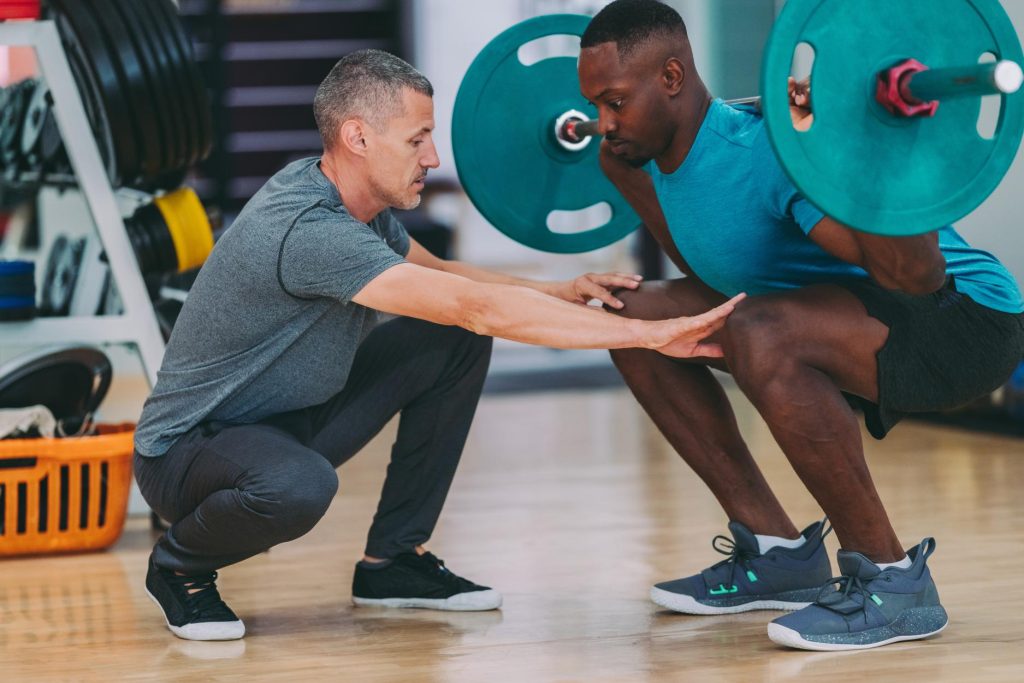

In the ever-evolving world of sports, the role of science in training and performance enhancement has become increasingly significant. Gone are the days when training was solely based on intuition and experience. 

Today, scientific sports training is at the forefront, driving athletes to achieve peak performance while minimizing the risk of injury. Let’s delve into the fascinating world of scientific sports training and explore its impact on athletic performance.

The Evolution of Sports Training

Historically, sports training was primarily based on traditional methods passed down through generations. However, with advancements in sports science and technology, training methodologies have undergone a revolutionary transformation.

According to a study published in the Journal of Sports Science & Medicine, incorporating scientific principles into training can lead to a 20-30% improvement in performance compared to traditional methods. This significant improvement underscores the importance and effectiveness of scientific sports training.

Key Components of Scientific Sports Training

1. Biomechanics

Biomechanics plays a crucial role in understanding the mechanics of human movement and optimizing performance. Through biomechanical analysis, trainers can identify inefficiencies in an athlete’s technique and implement corrective measures.

For instance, a study by the American Journal of Sports Medicine revealed that biomechanical analysis and subsequent corrections led to a 15% reduction in injury rates among athletes.

2. Physiology and Exercise Science

Understanding the physiological responses to exercise is fundamental in designing effective training programs. This involves monitoring heart rate, oxygen consumption, and lactate threshold to tailor workouts that optimize endurance and performance.

Research from the Journal of Strength and Conditioning Research indicates that athletes who undergo physiological monitoring and training experience a 25% improvement in their aerobic capacity.

3. Nutrition and Sports Dietetics

Nutrition plays a pivotal role in an athlete’s performance and recovery. A well-balanced diet, tailored to an athlete’s specific needs, can significantly enhance performance and reduce the risk of injuries.

According to the International Journal of Sports Nutrition and Exercise Metabolism, proper nutrition can lead to a 10-15% improvement in athletic performance4.

4. Sports Psychology

The mental aspect of sports is often underestimated. Sports psychology focuses on enhancing an athlete’s mindset, mental toughness, and resilience, which are critical for achieving peak performance.

A study published in the Journal of Applied Sport Psychology found that athletes who underwent psychological training experienced a 12% improvement in their performance under pressure.

Technological Innovations in Sports Training

With the advent of technology, sports training has witnessed significant advancements. Wearable devices, such as GPS trackers, heart rate monitors, and motion sensors, provide real-time data to optimize training sessions and monitor athlete’s progress.

A report by Grand View Research projected the global sports technology market to reach $31.1 billion by 2024, highlighting the growing influence of technology in sports training.

The Benefits of Scientific Sports Training

  • Optimized Performance: Scientific sports training focuses on individualized, data-driven approaches to enhance an athlete’s performance.
  • Injury Prevention: By identifying and correcting biomechanical inefficiencies and implementing proper nutrition and recovery strategies, the risk of injuries can be significantly reduced.
  • Mental Resilience: Sports psychology helps athletes develop mental toughness and resilience, enabling them to perform at their best under pressure.
  • Personalized Training: With the use of advanced technologies and data analytics, training programs can be tailored to meet the specific needs and goals of each athlete.

Conclusion

Scientific sports training has revolutionized the way athletes train, perform, and recover. By integrating biomechanics, physiology, nutrition, and psychology, athletes can achieve peak performance while minimizing the risk of injuries. With the continuous advancements in technology and sports science, the future of scientific sports training looks promising, promising even greater achievements and breakthroughs in athletic performance.

If you’re looking to elevate your training and achieve peak performance, embracing scientific sports training is the way forward.

Contact Unified Sports today @ +91-9311593910 to take the first step toward greatness. Start your scientific sports training journey today!

In the ever-evolving landscape of sports science, cross-training has emerged as a pivotal strategy to enhance athletic performance and reduce the risk of injuries. The integration of various training modalities not only diversifies an athlete’s skill set but also provides physiological benefits that can significantly impact overall fitness. In this blog, we will delve into the science behind effective cross-training, exploring the data that supports its role in optimizing athletic capabilities.

Diversification of Training Stimuli

Cross-training involves engaging in different types of exercises to target various muscle groups and movement patterns. A study published in the Journal of Strength and Conditioning Research found that diversifying training stimuli can lead to improved neuromuscular adaptation and overall athletic performance. By exposing the body to different stressors, athletes can enhance their ability to adapt and respond to varying physical demands.

Example: A cricketer incorporating yoga into their training routine can enhance flexibility and balance. Yoga poses like tree pose and warrior series contribute to improved joint stability and reduce the risk of injuries associated with sudden directional changes on the cricket field.

Reduction of Overuse Injuries

Participating in a single sport with repetitive movements can lead to overuse injuries. According to research in the American Journal of Sports Medicine, cross-training helps mitigate the risk of overuse injuries by distributing the load across different muscle groups and joints. This reduction in repetitive stress allows for better recovery and a lower incidence of chronic injuries.

Example: A kabaddi player integrating strength training exercises, such as weightlifting or bodyweight workouts, can enhance muscular strength. This cross-training approach helps in building the necessary power for effective raids and tackles while reducing the likelihood of overuse injuries.

Enhanced Cardiovascular Fitness

Cross-training often involves a mix of aerobic and anaerobic exercises, contributing to improved cardiovascular fitness. A meta-analysis in the British Journal of Sports Medicine demonstrated that athletes incorporating diverse cardiovascular activities experienced greater improvements in VO2 max compared to those engaged in a single modality. This enhanced cardiovascular capacity translates to increased endurance and improved overall performance.

Example: A long-distance runner supplementing their training with cycling can optimize cardiovascular fitness. Cycling provides a low-impact alternative that complements running, contributing to improved endurance without placing excessive stress on the joints. This cross-training approach is especially relevant for marathon runners preparing for extended races.

Muscular Balance and Joint Stability

Engaging in cross-training activities that target different muscle groups helps establish muscular balance and joint stability. Research in the Journal of Sports Sciences indicates that a balanced musculature reduces the risk of muscle imbalances, which can lead to compensatory movements and, eventually, injuries. Cross-training fosters joint stability by addressing weaknesses and promoting a more symmetrical development of muscle strength.

Example: A badminton player incorporating plyometric exercises like jump squats and box jumps can enhance explosive power. Plyometrics mimic the dynamic movements involved in badminton, such as quick lateral movements and powerful jumps, contributing to improved on-court agility and performance.

Psychological Benefits of Cross Training

    The psychological aspect of cross-training is equally significant. A study in the Journal of Applied Sport Psychology highlights that the variety inherent in cross-training regimens can reduce boredom and increase adherence to exercise programs. Athletes who enjoy a diverse training routine are more likely to stay motivated, ultimately leading to consistent and sustained improvements in performance.

    Example: A footballer incorporating swimming into their routine on recovery days can optimize the recovery process. Swimming offers a low-impact, full-body workout that promotes blood circulation and aids in muscle recovery, allowing the player to maintain peak performance throughout the football seas

    Neurological Adaptations and Skill Transfer

    Cross-training stimulates neurological adaptations that can positively impact skill acquisition and transfer. A research article in the International Journal of Sports Physiology and Performance suggests that engaging in diverse activities enhances motor learning and coordination. These neurological adaptations can translate to improved sports-specific skills, giving athletes a competitive edge in their primary sport.

    Example: A wrestler engaging in martial arts training, such as judo or Brazilian jiu-jitsu, can experience skill transfer benefits. The varied techniques and movements in martial arts contribute to enhanced overall grappling skills and adaptability on the wrestling mat.

    Optimized Recovery

    Effective recovery is integral to long-term athletic success. Cross-training allows athletes to engage in low-impact activities, such as swimming or cycling, on recovery days. According to a study in the Journal of Sports Sciences, active recovery through cross-training promotes blood flow, reduces muscle soreness, and accelerates the removal of metabolic byproducts, contributing to faster recovery between intense training sessions.

    Achieving peak athletic performance involves a multifaceted approach, and nutrition emerges as a key factor supported by robust scientific evidence. This blog explores evidence-based nutrition strategies to optimize athletic performance.

    1. Macronutrient Precision: Building a Solid Foundation

    Crafting an effective nutrition plan relies on the precise balance of macronutrients – proteins, carbohydrates, and fats. According to a study in the Journal of the International Society of Sports Nutrition, distributing macronutrients strategically supports muscle protein synthesis, enhances energy availability, and promotes optimal body composition.

    Example: A traditional Indian diet, rich in lentils (dal), whole grains like brown rice or millets, and vegetables, provides an excellent balance of macronutrients. Adding dairy or plant-based protein sources like paneer (cottage cheese) ensures a well-rounded intake.

    2. Carbohydrate Periodization: Fueling Endurance

    Endurance athletes benefit from strategic carbohydrate periodization, adjusting intake based on training intensity. A study in the Journal of Applied Physiology suggests that this approach enhances endurance performance, ensuring glycogen stores are replenished. Carbohydrate-dense Indian foods like chapatis, rice, and lentils can be valuable options.

    Example: A long-distance runner could include carbohydrate-dense Indian foods like chapatis (whole wheat flatbreads), rice, and lentils in their pre-race meals. Dishes like khichdi (a mix of rice and lentils) can be a nutritious and easily digestible option for sustained energy.

    3. Hydration Science: Unlocking Potential

    Proper hydration is fundamental for both cognitive function and physical capabilities. Research published in Sports Medicine highlights the positive influence of maintaining hydration levels on exercise performance. Traditional Indian beverages like coconut water, buttermilk, or nimbu pani (lemon water) not only replenish fluids but also provide essential electrolytes.

    Example: Athletes can maintain hydration levels with beverages like coconut water, buttermilk, or nimbu pani (lemon water) during training sessions. These options not only replenish fluids but also provide essential electrolytes, aligning with traditional Indian practices.

    4. Nutrient Timing: Optimizing Post-Exercise Recovery

    The timing of nutrient intake significantly impacts post-exercise recovery and muscle protein synthesis. A meta-analysis in the Journal of the International Society of Sports Nutrition emphasizes the importance of consuming a balanced combination of carbohydrates and proteins within the post-exercise window.

    Example: Post-exercise, a cricketer or badminton player might opt for a meal including roti (Indian bread), dal, and vegetable curry to combine carbohydrates, proteins, and essential micronutrients.

    5. Strategic Use of Supplements: Enhancing Performance Safely

    While whole foods remain primary, supplements can offer targeted benefits. A systematic review in the British Journal of Sports Medicine indicates that protein supplementation enhances muscle strength and mass in athletes engaged in resistance training. Traditional Indian superfoods like almonds, walnuts, and seeds, along with Ayurvedic supplements like ashwagandha or turmeric, can be considered.

    Example: Including traditional Indian superfoods like almonds, walnuts, and seeds in the diet can supplement essential nutrients. Additionally, Ayurvedic supplements like ashwagandha or turmeric may be considered for their potential anti-inflammatory benefits in alignment with Indian practices.

    6. Individualized Nutrition Plans: Tailoring for Success

    Personalized nutrition plans are crucial for optimal outcomes. A study in the Journal of the International Society of Sports Nutrition underscores the importance of tailoring interventions based on factors such as training load, sport specificity, and individual metabolic responses.

    Example: Recognizing the diversity in Indian cuisine, an athlete from South India might incorporate more rice-based dishes, while a North Indian athlete may lean towards wheat-based options. Customizing nutrition plans based on regional dietary preferences ensures adherence and satisfaction.

    7. Nutrient Density: A Holistic Approach

    A focus on nutrient-dense foods supports overall health and performance. Research published in Nutrients suggests that a diet rich in vitamins, minerals, and antioxidants aids recovery, reduces injury risk, and positively impacts immune function. For many Indian athletes following vegetarian diets, incorporating protein-rich sources like lentils, chickpeas, and paneer becomes crucial.

    Example: Many Indian athletes follow vegetarian diets and incorporating protein-rich sources like lentils, chickpeas, and paneer becomes crucial. Plant-based protein supplements like pea protein can be considered for additional support.

    8. Monitoring and Adaptation: A Continuous Process

    Athletes must continually monitor and adapt nutrition plans based on physiological responses. A study in the European Journal of Sport Science emphasizes ongoing assessment and adjustment, allowing athletes to fine-tune their nutritional strategies based on performance outcomes and individual needs.

    Example: Adapting traditional recipes like sattu (roasted gram flour) drinks or lassi (a yogurt-based drink) to include additional nutritional elements can enhance their effectiveness as pre or post-workout options.

    Being a student-athlete is a commendable feat, but it comes with its own set of challenges. Striking the right balance between academic responsibilities and athletic commitments can be daunting, yet essential for overall success. Here are some practical tips to help student-athletes navigate this delicate equilibrium.

     Prioritize Your Schedule

    Efficient time management is crucial for every student-athlete. Prioritize tasks based on deadlines and importance. Create a daily schedule that allocates dedicated time for both academic and athletic pursuits. This proactive approach ensures you stay on top of your game in all aspects.

     Set Realistic Goals

    Every student-athlete needs to establish achievable academic and athletic goals. Break them down into smaller, manageable tasks. This not only makes your objectives more attainable but also reduces stress. Celebrate small victories to stay motivated on this demanding journey.

     Effective Communication

    Maintain open communication as a student-athlete with coaches, teachers, and peers. Let them know about your commitments, and be proactive in seeking support when needed. A supportive network can provide valuable insights and assistance during challenging times.

     Utilize Study Periods Wisely

    Maximize your study periods as a student-athlete by focusing on high-priority tasks. Use active study techniques, such as summarizing information aloud or teaching concepts to a peer. This not only reinforces your understanding but also makes studying more engaging.

     Embrace Flexibility

    Flexibility is key for a student-athlete in managing the unexpected. Understand that there might be times when either academic or athletic commitments require more attention. Be prepared to adjust your schedule without compromising the quality of your efforts in either domain.

     Efficient Goal Setting

    Set SMART goals as a student-athlete – Specific, Measurable, Achievable, Relevant, and Time-bound. This approach ensures that your objectives are well-defined, making it easier to measure progress and stay motivated throughout the academic and athletic seasons.

     Develop Strong Support Systems

    Cultivate a strong support system within your academic and athletic circles as a student-athlete. Surround yourself with individuals who understand the demands of both worlds. This creates a positive environment where you can draw inspiration and encouragement.

     Healthy Lifestyle Choices

    Maintain a healthy lifestyle to optimize your performance in academics and athletics as a student-athlete. Regular exercise, a balanced diet, and adequate sleep contribute to increased energy levels and improved focus, positively impacting both areas of your life.

     Learn to Delegate

    Recognize that you can’t do everything on your own as a student-athlete. Delegate tasks when possible, whether it’s sharing study notes with classmates or dividing responsibilities with teammates. A collaborative approach lightens the load and fosters a sense of unity.

     Embrace Breaks

    Incorporate breaks into your schedule as a student-athlete. Taking short breaks between study sessions or training periods helps refresh your mind and prevent burnout. These pauses contribute to sustained focus and productivity in both academic and athletic pursuits.

    Balancing academic and athletic commitments requires planning, effective communication, and a proactive mindset for every student-athlete. By implementing these tips, student-athletes can not only navigate the challenges but also thrive in both their academic and athletic endeavors. Remember, success is not about finding the perfect balance but about continually adapting and growing in both spheres of life.

    In the ever-evolving landscape of child development, the question of when parents should enroll their kids in sports activities is a perennial concern. Engaging in sports offers a myriad of physical, mental, and social benefits for children. This blog explores the optimal time to introduce kids to sports, considering the developmental milestones, individual interests, and the positive impact that early sports involvement can have on a child’s overall growth.

    As children embark on their journey of growth, showing signs of motor development becomes a pivotal cue for introducing them to the world of sports. Introducing a variety of sports for kids at a young age helps them discover their interests and promotes a lifelong passion for physical activity.

    The Importance of Introducing Kids to Sports for Holistic Development

    Early exposure to sports serves as a catalyst for enhancing a child’s coordination, balance, and overall physical fitness. These activities, ranging from running and kicking to throwing, play a fundamental role in the development of essential motor skills. Through the process of running, children refine their gross motor skills, strengthening leg muscles and improving overall agility. Kicking a ball, a seemingly simple act, contributes to the fine-tuning of coordination and balance, fostering a sense of control over their movements. Likewise, throwing engages both the upper and lower body, promoting the development of spatial awareness and hand-eye coordination.

    Social and Emotional Development:

    Participation in sports from a young age facilitates the development of crucial social and emotional skills. Team sports, in particular, instill qualities such as teamwork, cooperation, and sportsmanship. Learning to win and lose gracefully, understanding the importance of fair play, and building relationships with teammates contribute to a child’s emotional intelligence and social adaptability. Organized sports for kids provide valuable opportunities for social interaction, teaching important life skills such as teamwork, communication, and resilience.

    Engaging in sports early instills a lifelong love for physical activity, fostering positive health habits beyond immediate benefits. It introduces joy and appreciation for an active lifestyle, laying a foundation for complex movements throughout different developmental stages.

    Exploration of Interests:

    By introducing kids to a diverse array of sports activities, parents empower them to embark on a journey of self-discovery. This exploration not only broadens a child’s horizons but also allows them to unearth activities they genuinely enjoy and are naturally drawn to. Whether it’s the thrill of running, the precision of archery, the teamwork in soccer, or the solitude of swimming, the array of sports offers a rich tapestry of experiences for children to explore.

    Moreover, exposing children to diverse sports activities fosters adaptability, resilience, and a growth mindset. They learn to navigate challenges, celebrate achievements, and understand the value of effort and perseverance. Ensuring accessibility and inclusivity in sports for kids is essential, promoting a sense of belonging and empowering them to embrace the numerous benefits of a healthy, active lifestyle.

    Development of Discipline and Routine:

    The structured nature of sports is inherently tied to discipline. Whether it’s attending regular practice sessions, adhering to a set training schedule, or following team rules, children learn that consistency and commitment are integral to success in sports. This understanding of discipline extends beyond the field or court, making its way into various aspects of a child’s life. Sports for kids provide a platform for building self-confidence, resilience, and a strong work ethic, shaping them into well-rounded individuals both on and off the field. The ability to commit to routines and adhere to established guidelines becomes a transferable skill with far-reaching implications.

    Building Confidence and Self-Esteem:

    The journey of success and improvement in sports is a transformative experience for a child’s confidence and self-esteem. Mastering new skills, achieving personal goals, and receiving positive reinforcement from coaches and peers contribute significantly to their developing self-perception. Each triumph on the sports field becomes a stepping stone, not only boosting confidence in athletic abilities but also fostering a sense of competence and capability in various aspects of life. Setting and reaching personal goals instills the values of ambition and perseverance, cultivating a positive self-image that transcends the boundaries of sports. Engaging in sports for kids not only nurtures physical well-being but also cultivates essential qualities like resilience, teamwork, and a positive attitude, laying the foundation for a balanced and active lifestyle.

    Coaching youth

    Coaching youth sports is a transforming and extremely gratifying job that allows you to influence the lives of the next generation of athletes. As a coach, you not only teach vital sports skills but also important life principles such as teamwork, discipline, and resilience. Your impact can extend well beyond the playing field and leave a lasting imprint on their lives. Having fun is a great way to keep your young players engaged in the game, promote participation, and maintain their attention. 

    It motivates kids to improve their skills, learn new ones, and play more. Of course, if something is dull, you would pay less attention to it. Consider a boring movie you saw or a monotonous sporting event. Exactly! You lose focus and wander off, ticking down the minutes till the torcher ends. Consider your young athletes practicing or playing the game. If it’s not fun, they quit.  

    Coaching is more than just teaching the rules of the game; it also involves nurturing young minds and hearts. It’s a profession that needs patience, empathy, and the ability to foster an environment in which athletes will not only improve their skills but also pick up valuable life lessons. You are more than a teacher as a coach; you are a mentor, a role model, and sometimes even a buddy. The different physical and psychological needs of children, adolescents, and adults require a readjustment in how you approach your coaching session.

    In this post, you’ll learn about
    Understanding your players
    Be creative with your approach
    Keep your cool at all times
    Inspire them

    If you’re starting out as a new coach, these tips are here to make things easier for you and help as you begin your journey or get better at what you do:

    Coaching tips

    Understanding your players:

    Every athlete has their own learning style. As a coach, you must understand what motivates them and figure out the most effective techniques for coaching and enhancing their skills. The initial hook is fun; once they’re engaged, you can lead their skill development by introducing interesting drills for both practice sessions and at home.

    Allow 15 minutes before each practice for athletes to work on their particular weaknesses and areas for improvement. The aim is to make this enjoyable for them. Understanding their strengths, limits, abilities, and needs allows you to personalize your coaching to their specific needs, thereby improving their skills and capacities. It is critical to fine-tune and customize your coaching technique based on each individual.

    Be creative with your approach:

    Kids will readily do things if they are appealing, fascinating, and exciting to them! Because their attention span is short they are likely to get bored quickly. Use different ways to make learning a fun process, something they look forward to every day! That is why it has always been said, don’t take the fun out of the sport no matter what age you are, even for paid professionals. 

    It’s not just about teaching the fundamentals of a sport; it’s about igniting their passion and fostering a lifelong love for physical activity. Fun is the magic ingredient that keeps young athletes excited, engaged, and eager to come back for more. They are more likely to keep playing with the game in the long run if they associate it with enjoyment and friendships. Being consistent matters for their continuing physical and mental growth, allowing them to live healthier, more active lives.

    Incorporate games, challenge them, help them work in teams, share your stories, and make it interactive. It should not feel like ‘coaching’ but a learning experience they voluntarily wish to attend. Think of your childhood and how you wished to be coached/taught and use that as a sounding board to plan your lessons. 

    Coaching tips

    Keep your cool at all times: 

    While working with children it is easy to lose your cool and composure especially when you are teaching them something. Understanding them and being patient is important to make them comfortable and enjoy the process of learning. They should be at ease to ask you questions repeatedly and not fear your anger or frustration. Screaming at your athletes creates fear in them. That will reduce both their ability and willingness to play well in the future. Nothing will ever be perfect.

    It is also necessary to be patient when talking with parents. Open communication between coaches and parents can help avoid parent-coach conflicts, which also helps to establish a secure learning environment. If you establish the rules and expectations, as well as your philosophy, everyone involved will be kept informed and at peace. 

    When coaches have a patient mindset, it becomes easier to see that mistakes will ultimately lead to better performance.

    Inspire them :   

    Share your journey with them, talk and inspire them with different anecdotes of your career. Inspiring kids and giving them something to look forward to is a wonderful way to motivate them.

    For starters, coaches serve as role models, encouraging children to give their all and push their limits. This kind of encouragement can lead to better performance, more self-confidence, and a lifelong love of sports. Beyond the game, inspirational coaching teaches vital life qualities such as teamwork, leadership, and resilience. Coaches who inspire children also encourage excellent qualities such as discipline, sportsmanship, and respect, which help youngsters build their character. 

    To help cultivate a healthy attitude toward sports and competition in young athletes, keep the following guidelines in mind:

    • Don’t forget that all of the wonderful lessons about life, courage, teamwork, and maturity that you believe sports may teach your child can also be learned by becoming a member of the school band, theatre club, or student council. 
    • Sports are not for everyone.
    • Don’t be spectators at a child’s game.
    • Don’t try to recreate your athletic life through your young athlete in an unhealthy manner. 
    • Don’t forget that as children grow older, their priorities can and will shift.
    • Don’t forget that regardless of how tall, big, fast, or even how skilled your child gets in sports, they are still just a kid and deserve to behave like one.
    Coaching tips

    Today’s emerging sports stars serve as a living barometer, reflecting the triumphs of their coaches, schools, and athletic programs. In an era where success is often quantified, these young athletes become the tangible proof of dedication and hard work. The mindset prevalent among schools, coaches, parents, and even the athletes themselves echoes the adage, ‘We only value what we can measure.’ Among the myriad opinions, some experts contend that an overwhelming majority of parents are inclined toward this perspective. But when the young athletes of these same parents are interviewed, their views tend to be overwhelmingly the opposite; most of these young athletes would rather play on a losing team than sit on the bench of a winning team!

    We hope these tips can be helpful to you, some of these can also be used by parents and mentors to help kids/young athletes get better at something new. Now is the time to get them involved in sports, get in touch with us to know more about them!

    Contact us for more information! 

    You can call us at +91- 9311593910, +91-8085094046

    Or email us at help@unifiedsports.in

    Visit us at 209, C9, 2nd floor, Pearls Best Heights -2, NSP, Pitampura, Delhi

    academics pressure

    As fulfilling as playing a sport you love is, balancing your academics, relationships, and social life is not an easy feat. Apart from training for hours, improving your physique, eating well, and recovering from all this, you also need to focus on your studies while you are a student! And as far as things parents worry about, this would be on top of their list! Right parents?

    Having an academically inclined child is often a source of pride for both parents and schools, but the same cannot always be said for those who are sports-oriented. There is a prevalent misconception that a strong focus on sports may hinder a child’s commitment to academics. Some believe that dedicating too much time to sports can lead to lower grades and should be discouraged. It’s essential to acknowledge the challenges faced by student-athletes in balancing school and sports and to explore effective strategies for managing this demanding dual role.

    College students are faced with an array of stressors, including ademic, social, and financial commitments. For collegiate athletes, the demands are even more extensive, as they must allocate a significant amount of their time to enhancing their athletic skills in addition to managing these typical college pressures.

    academics pressure

    High-achieving students who are also high-performing athletes find themselves in a unique and challenging position. The realms of academics and athletics are demanding and fiercely competitive individually, and these student-athletes strive for excellence in both arenas. In the midst of a whirlwind of practices, games, exams, and study sessions, the mental health of these high-performing athletes and high-achieving students can often take a backseat. Neglecting this critical aspect of overall well-being can lead to overwhelming stress, burnout, and enduring mental health issues. 

    This increased vulnerability is primarily attributed to the constant pressure they face. Unfortunately, these challenges can frequently escape notice or be underestimated for the same reason: student-athletes are deeply engrossed in their numerous responsibilities. As long as they appear to be successfully managing the dual demands of academics and sports, changes in their emotional well-being may be disregarded or overlooked by those around them. Balancing these two worlds can be both thrilling and overwhelming. Successfully managing school and sports requires a significant commitment, a complex juggling act involving time, energy, and responsibilities.

    We understand the importance of balance and the need to handle both aspects of your life, so we are here to help you out! Here are some tips to help you out:

    1. Time management: One of the most essential skills we need to have is how and where we spend the most time. When doing activities, we don’t need to invest time in or pass time on unnecessary things like watching Netflix, playing video games, etc. It is important that you create a schedule and routine that you enjoy and that are not hard on yourself. Following a daily timetable will ensure there is adequate time for both studies and sports/practice. Without a well-planned plan of action, the academic-athlete juggling act can swiftly deteriorate into a high-wire act without a net. Last-minute studying, rushed assignments, and restless nights become typical. But effective time management? It keeps stress at bay, turning that tightrope walk into a well-rehearsed performance. Then there’s the allure of enhanced performance. When kids are able to focus on their schoolwork and athletics with a clear, collected mind, the outcomes frequently speak for themselves. Their academic performance increases, and their athletic skills improve.
    1. Prioritize: Making some difficult decisions can be necessary to balance the demanding requirements of both athletics and education. Those unplanned get-togethers or hangouts with friends have become less common. Setting priorities becomes crucial when you need to juggle multiple responsibilities. This emphasizes the value of time management and organization, but it does not mean you have to completely give up on having fun and interacting with others. The more organized you are, the more free time you will have on your hands to enjoy whatever you want!

    Evaluate what is important to you, prioritize them in order of importance, urgency, and need, and see how you can improve yourself while doing these tasks. 

    With a full plate, it’s helpful to change your mindset from waiting for a long period of time before beginning a task to addressing studies and sports in bite-sized portions. Instead of waiting for a two-hour block of time to begin studying, consider performing 15-minute pop quizzes while driving from training to school.

    1. Take time off: While sports and academics are both important, make time for other things as well. Pursue hobbies you enjoy; it can be as simple as going walking, reading, dancing, etc. When you make time for things that help you relax and rejuvenate, your performance is likely to improve both on and off the field. Plan a relaxing day of self-care, hang out with your friends, or agree to the trip your family has been planning for months.

    While on your time off, do not worry about your performance or academics; learn to stay in the moment so you are able to reset and start again. Student-athletes frequently feel bad about taking time off. You may feel obligated to be productive at all hours of the day. As kids, we often heard the importance of managing time effectively so we could both play and study. The same applies when we grow up. Once we learn to effectively segregate and compartmentalize our time, it gets easier to juggle multiple things at once. 

    academics pressure

    Indeed, these suggestions are the foundation of success, and they yield fruit when adopted with unwavering commitment and consistent work. Establishing a strong support system is critical since it not only helps you stick to your plan but also gives you the incentive you need to stay on track. Your inner circle has a significant influence over your routines and achievements, so make it count. Surround yourself with people who share your goals and motivate you to be the best version of yourself. 

    Contact us for more information! 

    You can call us at +91- 9311593910, +91-8085094046

    Or email us at help@unifiedsports.in

    Visit us at 209, C9, 2nd floor, Pearls Best Heights -2, NSP, Pitampura, Delhi

    Sports betting

    As fun and exciting sports are, aspects like betting and gambling are the not-so-good facets of it! Today, everyone likes to make some quick money and what better way than to do it off something you enjoy watching? However, betting/gambling are things one can get addicted to very quickly and for a long time. Sports betting is like a wild ride of feelings, and the chances of winning can be just as surprising as your favorite team’s unexpected win. It’s a world where some people can get very rich, but sometimes, a bet depends on the luck of the game. 

    Once you go down that road it’s difficult to come back up or realize your wrongs quickly! betting isn’t new; it’s been around for ages. Even ancient Romans bet on gladiator matches, a kind of “Fantasy Colosseum” of their time. Today, the global betting market is enormous, worth about $150 billion. But here’s the twist: while the temptation to strike it rich is strong, the risks are high too. In the United States, where sports betting is growing fast, about 6% of adults have a gambling problem, and that number is going up. 

    Gambling has the potential to be a social activity that draws people together. It allows you to connect with friends and family, share experiences, and enjoy each other’s company. Friendly bets or game nights can build long-lasting memories and establish relationships. 

    Poker and sports betting are two examples of gambling which call for skill and strategy. Gambling can be a means for those who are aware and skilled in these areas to intellectually challenge themselves and test their abilities. It’s not just a game of chance, but also a game of skill in which decision-making and strategy are important.

    There has been a noticeable increase in the proliferation of online betting programs over the last half-decade, with renowned companies such as DraftKings, FanDuel, and Caesars leading the way. These apps have effectively substituted illicit betting venues while also attracting a new wave of inexperienced gamblers who previously had no exposure to casinos or the traditional bookie betting experience.

    betting

    It’s estimated that the underground sports betting market in India is worth billions of dollars each year. In response to this growing trend, some states have taken a proactive approach to regulate and tax betting, offering both economic benefits and safeguards for consumers. One notable example- Sikkim legalized online sports betting and introduced the Sikkim Online Gaming (Regulation) Act in 2008.

    Super Bowl fans brace themselves for an advertising extravaganza, anticipating a flood of creativity that merges celebrity charm and athletic prowess, all strategically designed to lure in fresh registrations and carve out a bigger slice of the market. DraftKings plans to dazzle the screens with the comedic duo of Kevin Hart and David Ortiz, while FanDuel promises an adrenaline-pumping moment as Rob Gronkowski takes a live shot at a field goal kick in their commercial, adding an unexpected twist to the game-day excitement.

    In this blog, we’re here to help you explore the exciting world of sports betting. It’s a place where taking risks and getting rewards can be a bit tricky, and we’ll talk about how to do it responsibly.

    To make gambling worthwhile, be responsible. Set strict limits for how much money and time you’ll use, and stick to them. Think of gambling as fun, not a way to make money. Don’t try to win back what you’ve lost, and know when to stop.

    Here are three quick ways you can practice responsible betting and enjoy the activity rather than getting addicted, losing money, and regretting your decisions!

    Sports betting
    1. Bet with Licensed and Reputable Operators: Choose to bet with licensed and regulated betting operators. This helps ensure that your transactions and personal information are secure and that you’re participating in a fair and accountable betting environment.
    1. Learn to Recognize Signs of Problem Gambling: Be aware of the signs of problem gambling, such as chasing losses, neglecting responsibilities, or betting with money meant for essential expenses. If you or someone you know is showing these signs, seek help from organizations that specialize in problem gambling support. There is absolutely no harm in seeking help and being proactive about behaviors you wish to stop. 
    1. Take Breaks and Maintain Balance: It’s essential to take breaks and strike a balance in your betting activities. Don’t let it consume too much of your time or financial resources. Engage in a variety of activities and hobbies to ensure a well-rounded and balanced lifestyle. Everything in moderation is healthy, isn’t it? 

    Whether gambling is a good idea depends on the person. Remember, gambling has risks, and for some, it can lead to problems. But if you do it carefully, knowing the risks and treating it as entertainment, it can be enjoyable, social, and sometimes thrilling. Just don’t gamble more than you can afford to lose.

    The legal status differs from state to state, and navigating the complexities of  betting in India can be tricky. While some states have accepted and regulated betting, others have outright prohibited it. To put it simply, while the appeal of sports betting in India is undeniable, it is critical to proceed with caution and responsibility. The country’s legal landscape can be complicated, and the risks linked with gambling are ever-present. Without sufficient attention and adherence to betting methods, It can lead to financial difficulties, addiction, and severe repercussions. Individuals, whether sports fans or not, must appreciate the necessity of setting limits, being educated about the games, and maintaining self-control.

    Contact us for more information! 

    You can call us at +91- 9311593910, +91-8085094046

    Or email us at help@unifiedsports.in

    Visit us at 209, C9, 2nd floor, Pearls Best Heights -2, NSP, Pitampura, Delhi

    mental health

    Ever heard of the statement “mens sana in corpore sano”? It means a healthy mind in a healthy body in Latin! 

    Now remember when we were young and wanted to do nothing but play, remain out of our house, and as far away as possible from books? Well, now do you remember how happy and relaxed we used to be then? All that jumping around, running and exercise helped us release endorphins or happy hormones, and probably why we were happy all day!  

    In an age where the demands of modern life can sometimes feel overwhelming, the importance of nurturing our mental well-being has never been more apparent. Sports aren’t just about competition and physical fitness ; they can be powerful tools for nurturing your mental health. Beyond the physicality of the games we play and the sports we follow, there exists a profound connection between our bodies and minds. This link transcends the simple notion of staying fit, extending its reach into the overall quality of life. 

    Whether you’re a seasoned athlete or simply looking to incorporate more movement into your daily routine, the benefits of engaging in sports activities reach far beyond the realm of physical health.

    Mental health is as important, perhaps a little more than your physical health! In an age where the demands of modern life can sometimes feel overwhelming, the importance of nurturing our mental well-being has never been more apparent.

    mental health

    Numerous studies provide compelling evidence that engaging in physical activity can deeply and positively affect one’s mental well-being. Participation in physical activities has the potential to enhance mood, make you feel calmer, reduce the risk of experiencing depression and anxiety, and promote a more balanced and improved lifestyle. 

    Here are three ways sports/exercise can help you apart from some physical changes:

    • Lowers anxiety and stress: One of the best ways to unwind is working out! Expending all your physical energy to something and directing your stress in that zone helps you calm down. Your focus shifts to something positive and that helps with your energy levels. Studies have shown that 20 to 30 minutes of exercise each day can make people feel calmer. This calmness continues several hours after exercise.
    • Increases self-esteem: When you enjoy doing something, and see a significant change in yourself both mentally and physically it helps boost your self-confidence/esteem. For eg- If you are working out to lose weight, you will likely start feeling better about yourself once you see some signs of change. This in turn will help your self-esteem! Maybe you learn to play a sport you have always wanted to, and that also is a major confidence booster.
    • Improves your mood: The benefits of exercise on your mood extend far beyond the immediate post-workout glow. Regular physical activity can lead to sustained improvements in emotional well-being, helping to combat stress, anxiety, and even symptoms of depression over time. So, it’s not just a quick fix, but a long-term investment in your mental health that pays dividends as you continue to make physical activity a part of your daily routine.

    Sports demand focus, strategic thinking, and the capacity to stay present in the moment, which are all mental skills that are specific to sports. For instance, a split-second choice can mean the difference between a win and a loss in a fast-paced game like basketball. 

    This continuous mental activity helps with cognitive function and provides a much-needed diversion from the stresses of everyday living. So, your mind is benefiting just as much as your body is, whether you’re completing a yoga posture, making a three-pointer, or sprinting a track.

    Mental health

    Picture this: You’ve had a long day, and you’re trying to shake off the stress and fatigue. You have two options – binge-watch your favorite TV show or go for a brisk walk. Now, which one do you think will leave you feeling more content, awake, and at peace? Researchers set out to answer this question by asking people to rate their moods after bouts of physical activity or periods of inactivity.

    The results were crystal clear. The folks in the study reported feeling happier, more alert, and calmer after they’d been physically active compared to those moments of lounging around. The most intriguing part? The impact of exercise on mood was most significant when their mood was initially on the lower side. So, if you’re having a tough day, a little workout might just be the mood booster you need.

    The type and intensity of exercise also matter. It turns out that low-intensity aerobic exercise wins the crown for lifting your spirits. Imagine taking a leisurely jog, doing some light yoga, or enjoying a casual bike ride. Studies found that dedicating 30 to 35 minutes, 3 to 5 days a week, for about 10 to 12 weeks to these kinds of activities can work wonders for your mood.

    So what are some of the ways you can play sports or exercise regularly to help with your physical, emotional, and mental health ? Activities like dancing, yoga, walking, running, Zumba, cycling, playing sports like kho-kho, badminton, etc. are some great ways to get in some movement and have fun! 

    Maybe challenge your friends to a friendly match or walk together in groups, a good company always makes things better! Set small goals and see a difference in your mental health, thinking, attitude, and how your day goes. You’ll feel light, have more energy, be productive, think clearly, etc. 

    If you are wondering how to get your child to play sports, get them involved in one of our many fun sports camps, we are sure they will have the time of their lives! Get in touch with us at: 

    Contact us for more information! 

    You can call us at +91- 9311593910, +91-8085094046

    Or email us at help@unifiedsports.in

    Visit us at 209, C9, 2nd floor, Pearls Best Heights -2, NSP, Pitampura, Delhi